

Hospitals across China are launching innovative medical-themed creative products, from plush organ toys to specialty foods, aiming to make healthcare education more engaging and accessible to the public.
These items, often featuring friendly-looking versions of organs like brains, gallbladders, and appendixes, have become popular purchases at hospital-run stores. At the “PUMC TIME” shop on Beijing’s Wangfujing Street, these products are particularly well-received.
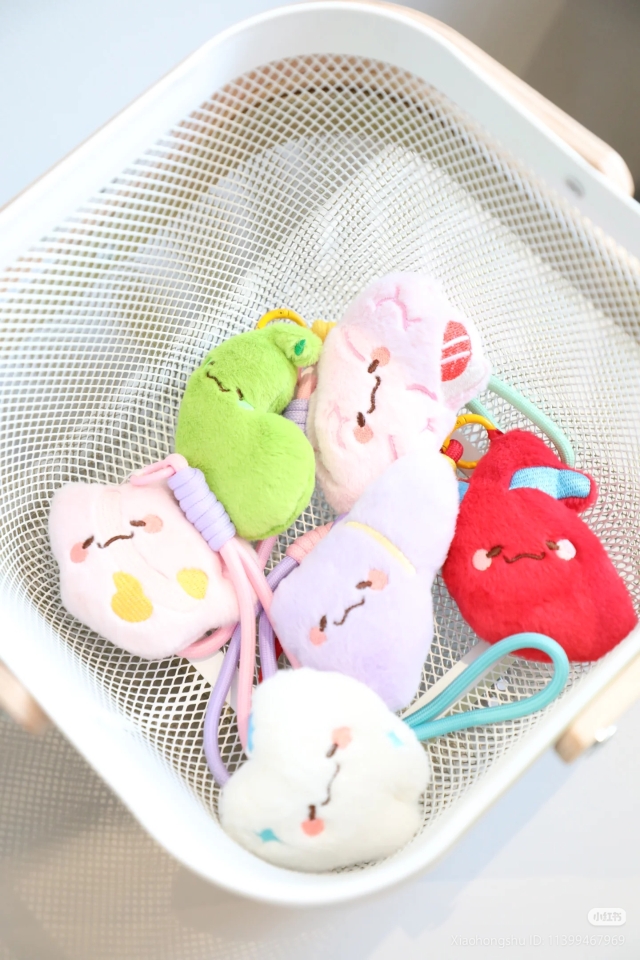
Photo: PUMC TIME
More than just merchandise
Beyond their novelty appeal, these products are designed with a clear purpose: to promote health awareness. Store staff are trained to explain the health concepts behind each item. For example, a plush brain toy aligns with young people’s self-deprecating humor about needing an “external brain,” while also subtly reminding them to care for their brain health and avoid overworking.
For some customers, these items serve as gentle, daily health reminders. A young office worker in her early 20s, who bought a heart plush toy, said it reminds her of her doctor’s advice to avoid staying up late, as she experiences minor heart palpitations. She finds this soft nudge more effective than straightforward health advice.
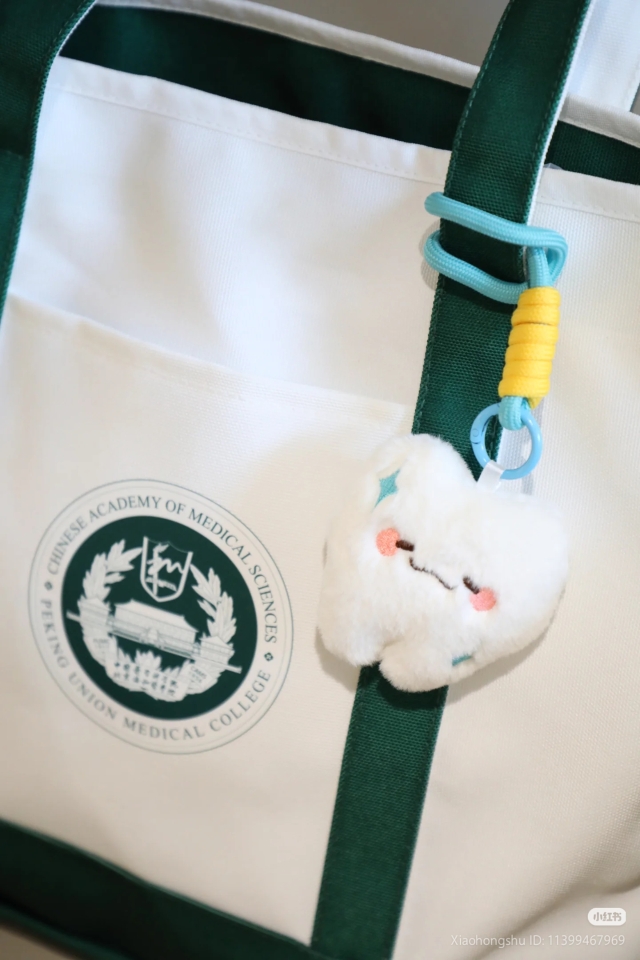
Photo: PUMC TIME
Building community and culture
The trend isn’t solely focused on retail. Some hospitals use creative products and intellectual property (IP) characters as part of their internal culture-building efforts and to improve the patient experience.
At Capital Medical University Affiliated Beijing Anzhen Hospital, popular items among staff include surgical caps, white coat pins, and tote bags, all designed to reflect their daily work routines. The hospital also has mascots inspired by its founder and logo. These figures appear in health livestreams, wayfinding signs, and official social media posts, serving as a bridge between the hospital and the community.
Experts: Stay focused on core mission
A primary challenge hospitals face is balancing the seriousness of medical knowledge with a friendly, approachable presentation. While these creative products can help demystify health topics and spark public interest, experts caution that their long-term development must remain rooted in the core mission of health education.
Professor Rui Jian from South China University of Technology suggests that while creative products are a good starting point for building a health communication matrix, truly popularizing health knowledge requires translating abstract theories into clear, concrete content connected to people’s everyday lives. He warns against over-commercialization, simply following trends, and losing sight of the unique nature of medical settings and the public’s sense of reverence toward health issues.
The key, experts say, is to ensure these innovative products ultimately enhance public health awareness and translate professional knowledge into inherent value.
Author | Feng Huiting
Editor | Huang Qini, James Campion, Shen He
link